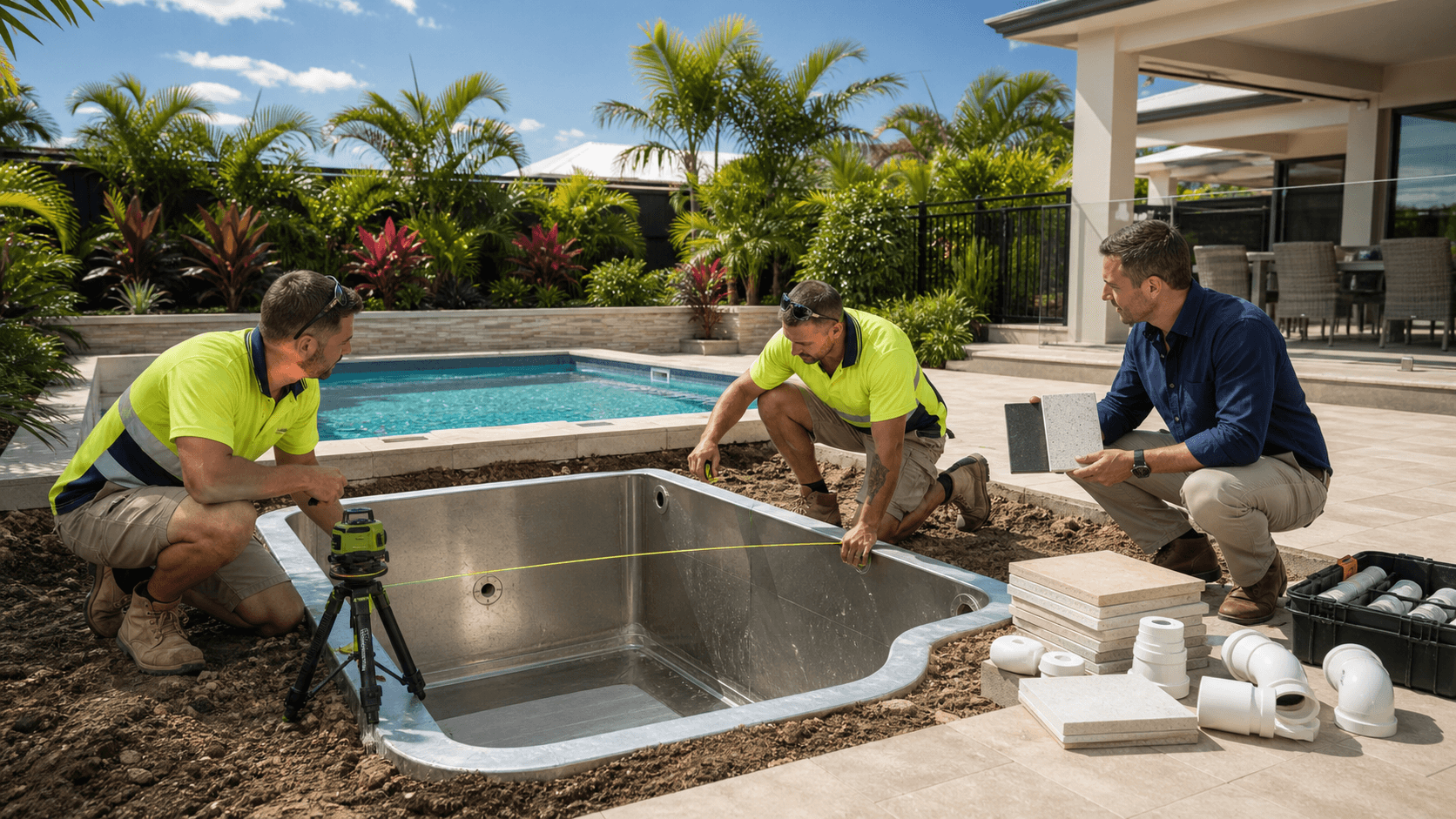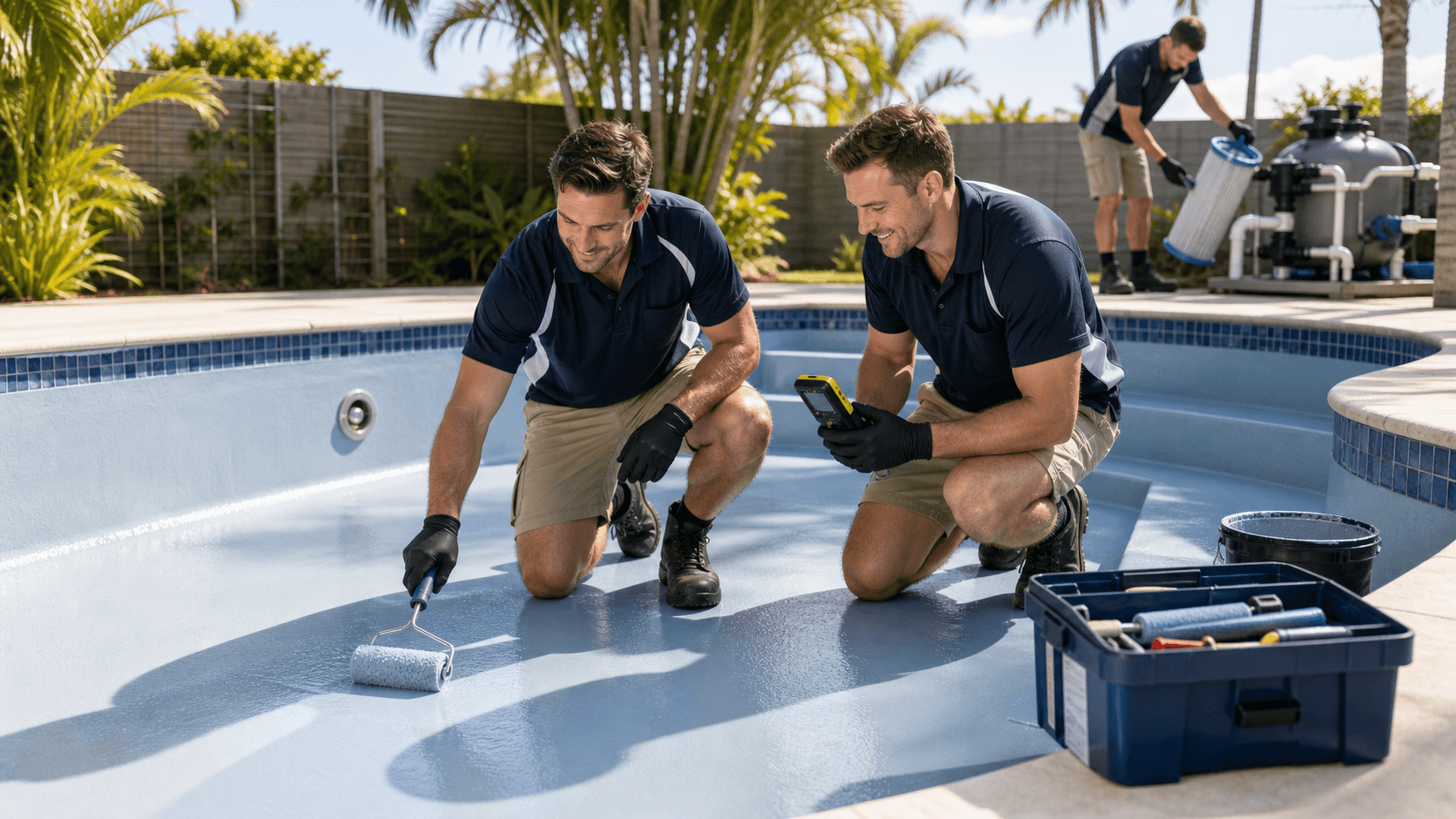
Concrete pools are popular across Mackay for good reason. They hold their shape well, they’re strong, and they suit all kinds of backyard designs. But the climate has its own challenges. The heat, storms, and unpredictable wet seasons put extra pressure on concrete pool shells, especially over time.
Still, with steady care and help from the right professionals, you can keep your pool in good shape for years. The trick is knowing what affects the pool in this part of Queensland and how little maintenance steps now can save bigger problems later. That’s where working with experienced concrete pool builders in Mackay really matters.
Understand Mackay’s Climate and What It Does to Concrete
Mackay’s weather might seem like paradise, but it can be tough on a pool. During summer, concrete can expand with heat, then cool quickly after a storm. That repeated change puts stress on the surface, which might lead to cracks down the track if it’s not built or maintained properly.
Humidity is another part of the picture. It can slowly wear away finishes and affect water chemistry, even when it’s not the wet season. Long dry spells do not sound like a worry for a pool, but they can dry out the soil under and around the shell, which might shift when the rain finally returns. That movement can cause cracks or gaps you will not spot right away.
These are some of the reasons local knowledge matters. Builders who have worked with Mackay conditions from the start tend to account for these weather swings in how they reinforce the shell or place drains. Planning for the land under the pool is just as important as the shape above it.
Keep Up Regular Cleaning and Surface Care
It’s easy for leaves, dirt, and sunscreen to collect on the surface and in the filter. Left too long, they can stain the concrete and make the job of looking after the pool harder down the road. Cleaning pool walls and checking filters do not take long, but they help hold off damage you cannot see right away.
Water balance matters more than most people realise. If there is too much acid or not enough chlorine, it can slowly eat away at the finish. If calcium levels drop, the mix of water and heat could lead to rough surfaces or staining. These problems creep up slowly but shorten the life of the pool.
Here are a few things worth staying on top of:
- Regular skimming and vacuuming to keep leaves, bugs, and debris from sitting too long
- Checking pH and chlorine levels every few days during the hotter months
- Keeping an eye out for surface cracks, lifting edges, or faded patches on the floor or walls
If something looks or feels off, it is better not to guess. That is the time to call someone who knows how local weather and soil might affect what is going on under the surface.
Watch for Signs of Structural Stress
Over time, small signs in the shell or around it might hint at bigger issues underneath. With Mackay's hit-and-miss weather patterns, soil can expand and contract more than you would expect, especially after heavy rain. That can lead to movement you might first notice as chipped tiles or gaps in the paving.
Common signs of stress include:
- Cracks forming along tile lines
- Sinking or shifting around the coping edges
- Pavers lifting or becoming uneven near the pool shell
- Water levels are dropping faster than normal
If these kinds of issues show up, it is not the time for patch jobs. Soil movement and structural damage need professionals who understand how pools behave in this part of Queensland. Repairs that miss the deeper cause will likely not last.
Schedule Yearly Health Checks with a Professional
A check-up once a year makes a big difference, especially after a long wet season. Even if nothing looks wrong, checking for leaks underneath the surface, pipes that might have shifted, or early signs of cracking can keep small problems from turning into expensive ones later on.
Inspections done by people familiar with concrete pool builds in this area tend to go beyond the basics. They often include:
- Pressure testing plumbing and filters to spot leaks
- Visual checks of skimmer boxes and water lines
- Looking over joints and corners where cracks might hide
- Walking the surrounding areas to spot uneven ground or drainage issues
A good time for a pool check is either before the storms pick up or once the ground’s had a chance to dry out. Regular visits help catch issues caused by shifting dirt, tree roots, or wear from heavy use over the summer.
Choose Quality Materials and Upgrades That Last
A big part of keeping a concrete pool running well is upgrading parts before they give out. That might mean sealing cracks early or resurfacing every decade to keep things smooth and sealed. Local conditions play a part in what materials will hold up best.
We usually suggest thinking about upgrades in these areas:
- Resurfacing with finishes designed for heat, salt, or high traffic
- Improved filtration systems that make cleaning and balancing water easier
- Waterproofing finishes that pair well with high rain levels and sun exposure
- Pavers or surrounds that will not shift or wear easily under summer heat
Choosing pool features that suit Mackay weather reduces wear and cuts down on future patchwork. Not every option suits every backyard, and that is where advice from people who know the area comes in.
A Well-Built Pool Can Go the Distance
A concrete pool built to match Mackay's conditions has the strength to last through storms, heatwaves, and dry seasons alike. But that only happens when small problems are solved early, and the surface is looked after like any other part of your home.
Regular checks, steady cleaning, and thoughtful upgrades can mean less worry and more time enjoying the pool. That way, what gets built in your yard does not just look good for a few seasons. It works well for many years to come, no matter what the weather brings.
Planning a pool that can handle Mackay’s weather while looking great for years to come means partnering with builders who know the local ground and heat cycles. We have built pools across the region that stay strong through heavy rains and dry spells by focusing on solid foundations and durable finishes. With the right care, your pool becomes a natural part of your home and lasts well over time. Learn more about how our concrete pool builders in Mackay can help you create a space that fits your life and your yard. Reach out to Watersun Pools today to talk through what’s possible.
Frequently Asked Questions
How can I extend the lifespan of a concrete pool in Mackay?
Keep up with regular cleaning, maintain balanced water chemistry, and watch for early signs of cracking or movement. Book a professional inspection yearly, especially after the wet season, to catch leaks or structural issues early.
What does Mackay’s climate do to a concrete pool over time?
Heat and sudden storm cooling can stress the concrete surface and contribute to cracking over the years. Humidity and wet season soil movement can also affect finishes, water chemistry, and the stability of the ground around the pool.
How often should I test pH and chlorine in a concrete pool during summer?
Check pH and chlorine every few days during hotter months because heat and humidity can throw water balance off faster. Keeping levels steady helps protect the pool finish and reduces staining and rough patches.
What are the early warning signs of structural stress in a concrete pool?
Common signs include cracks along tile lines, uneven or lifting pavers near the pool, and sinking or shifting around coping edges. Faster than normal water loss can also point to a leak or movement that needs professional assessment.
What is the difference between surface staining and structural cracking in a concrete pool?
Surface staining is usually caused by debris, sunscreen, or water chemistry issues and mainly affects how the pool looks and feels. Structural cracking is often linked to movement or stress in the shell or surrounding soil and can lead to leaks or bigger repairs if ignored.