Living near the coast has its perks, but it brings a few headaches when you own a concrete pool. Mackay's tropical conditions often put extra pressure on pool surfaces. Between the summer storms, thick humidity, and salty air, concrete finishes can wear down faster, especially without consistent care.
Taking care of the surface isn't about keeping it pretty, though that's definitely a bonus. It helps the pool last longer, work better, and stay safe for swimming. Regular upkeep also plays a quiet role in keeping the concrete pool cost in Mackay manageable over time. A few smart habits now can help you avoid big fixes later.
Understanding Mackay's Climate and Its Impact on Pool Surfaces
Mackay's coastal weather mixes rain, heat, and salt into a challenging blend for pool owners. The sun follows long, clear stretches with downpours that roll in fast, and that kind of whiplash can be tough on concrete.
Frequent changes in temperature can cause expansion and contraction in the surface. Over time, that movement may lead to cracks or flaking finishes, especially when combined with heat and water pressure. Humid air means moisture sticks around longer, feeding mildew and softening seals or grout lines. Add salt from coastal breezes, and concrete surfaces face corrosion or faint surface burns that dull their colour.
Understanding how these conditions behave throughout the year helps us spot early warning signs. Pool surfaces don't fail overnight. They tend to fade, stain, or roughen well before major problems appear.
Common Pool Surface Issues in Coastal Conditions
Concrete pools in coastal towns like Mackay are known to develop surface issues that stem from both nature and water chemistry. When left alone, these small problems can wear down the finish and cause damage beneath the surface.
Some of the usual issues include:
- Surface stains caused by leaf tannins, metals, or organic debris
- Scaling, which looks like chalky white marks or crust on tiles and edges
- Algae growth, especially in corners or spots with poor circulation
- Salt damage that weakens coatings and makes the surface feel rough
Unbalanced water can speed things up. Low pH or high chlorine might strip the finish or expose the concrete below. If calcium levels drop, the water can start pulling minerals straight from the pool surfaces. Over time, this leads to pits, rough patches, or strange discolouration. Checking and correcting these issues early can save the shell from long-term wear.
Best Practices for Year-Round Surface Care
Queensland's seasons shift between hot, dry heat and heavy rain, so pool care has to flex with the weather. Small routines throughout the year can help limit damage and keep the surface in better shape.
Simple steps go a long way when they're done often. These include:
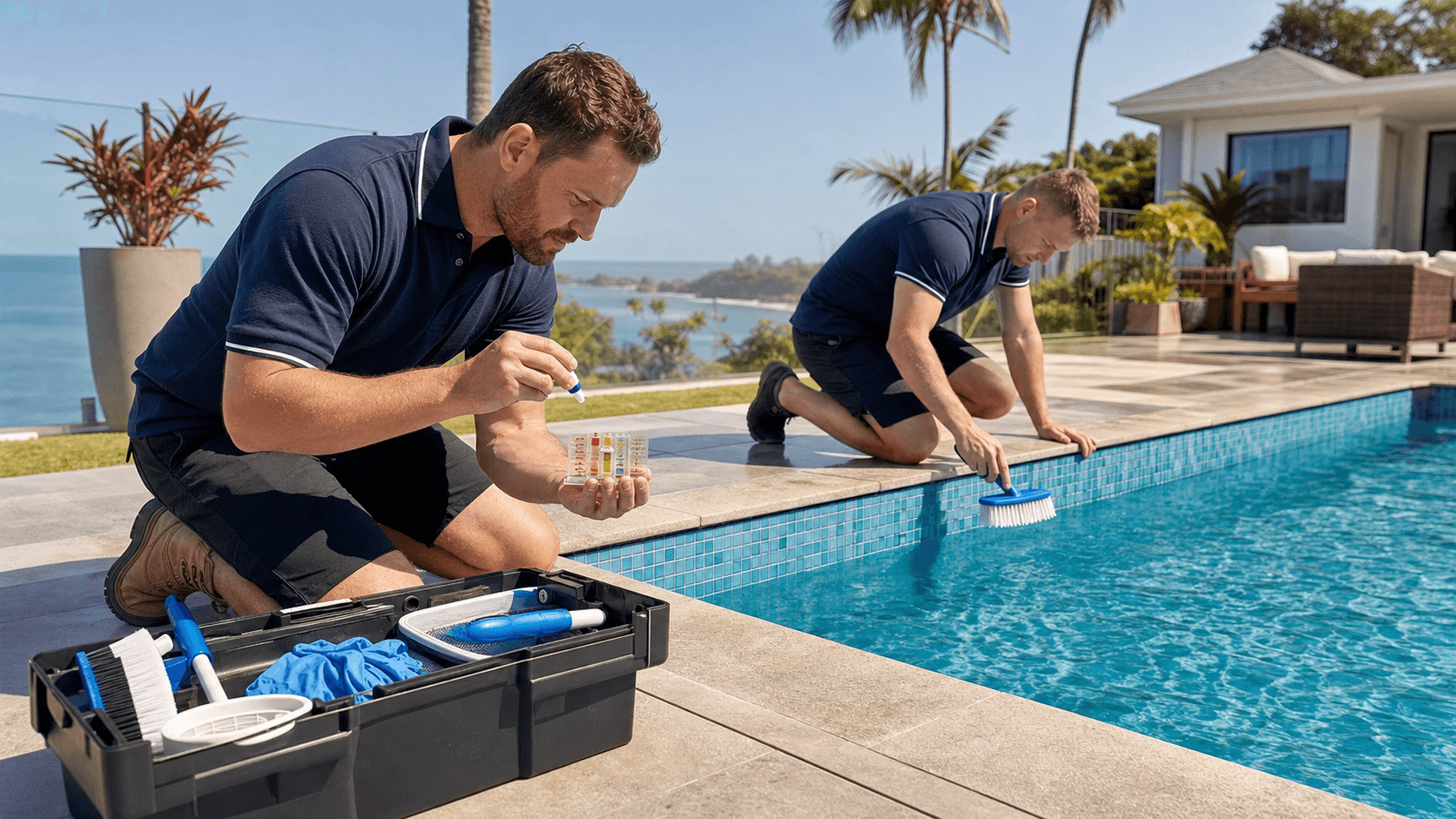
- Brushing the walls and floor weekly so grime doesn't settle
- Skimming off leaves, insects, and other debris before they stain the finish
- Cleaning filters and making sure pumps run well to maintain circulation
- Checking chlorine and pH every few days, especially during summer
Even with all that effort, sometimes the weather wins. After strong storms, it helps to look for early signs of wear. A discoloured patch or peeling edge might not seem urgent, but calling in help early can stop it from turning into a larger repair job.
How Long-Term Care Affects Concrete Pool Cost in Mackay
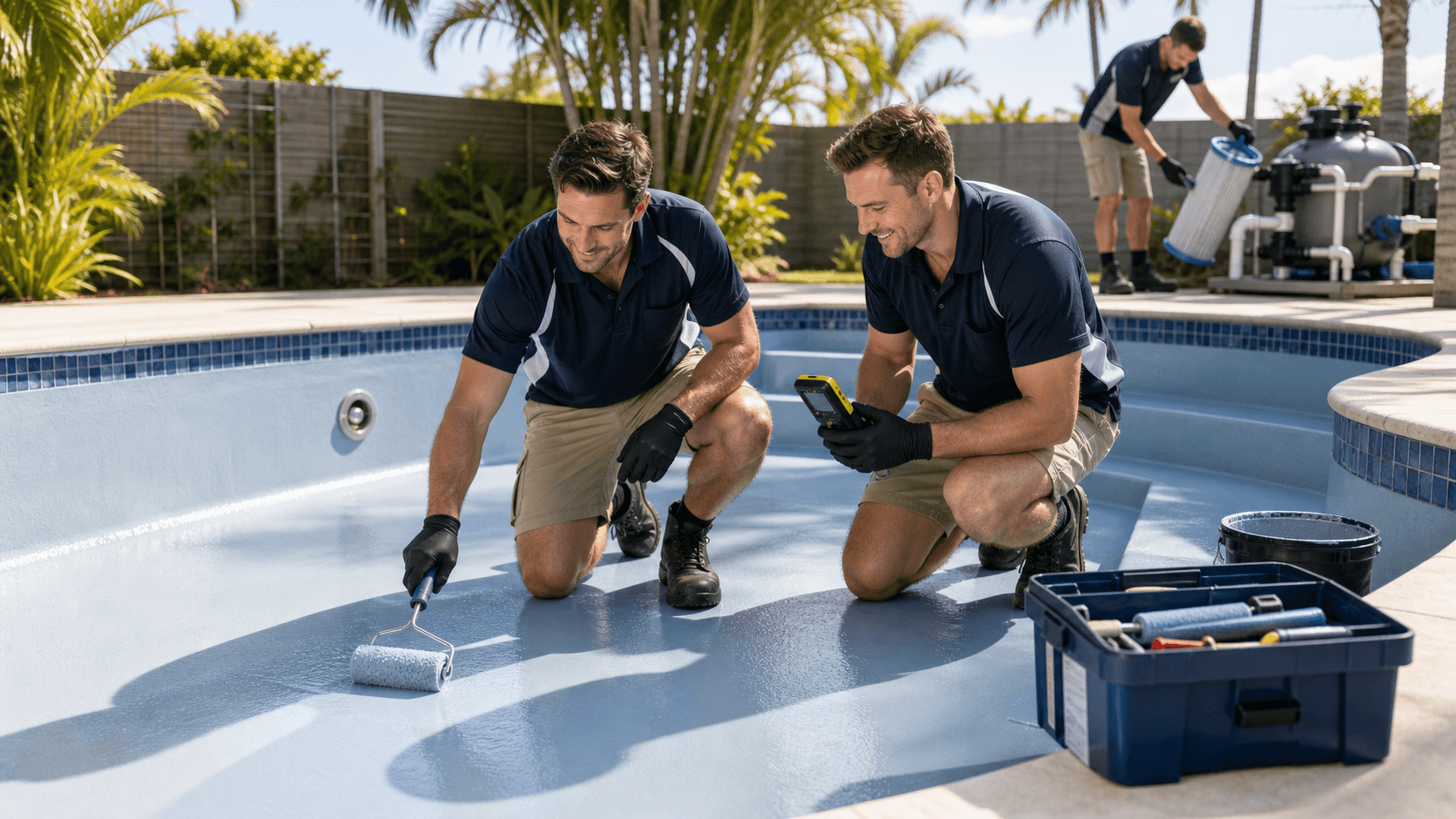
When surface care slips, the cost to fix it often climbs fast. Resurfacing a concrete pool is a much bigger task than brushing off algae or adjusting chemical levels. Letting stains sit or spongy patches form, can open the door to deeper problems that affect the structure below.
We've seen how small bits of neglected upkeep can lead to cracked tiles, broken coping, and lifting edges that need more than a patch to set right. These bigger fixes tend to hit harder when they pop up suddenly after a long wet season.
By keeping on top of maintenance, you lower how often upgrades are needed and spread out the cost of longer-term work. Looking after the surface helps keep the shell strong and the water clean, protecting both the function and the style of your pool. That's one way to manage concrete pool cost in Mackay over the years without unexpected surprises.
Choosing Surface Materials That Stand Up to Mackay's Weather
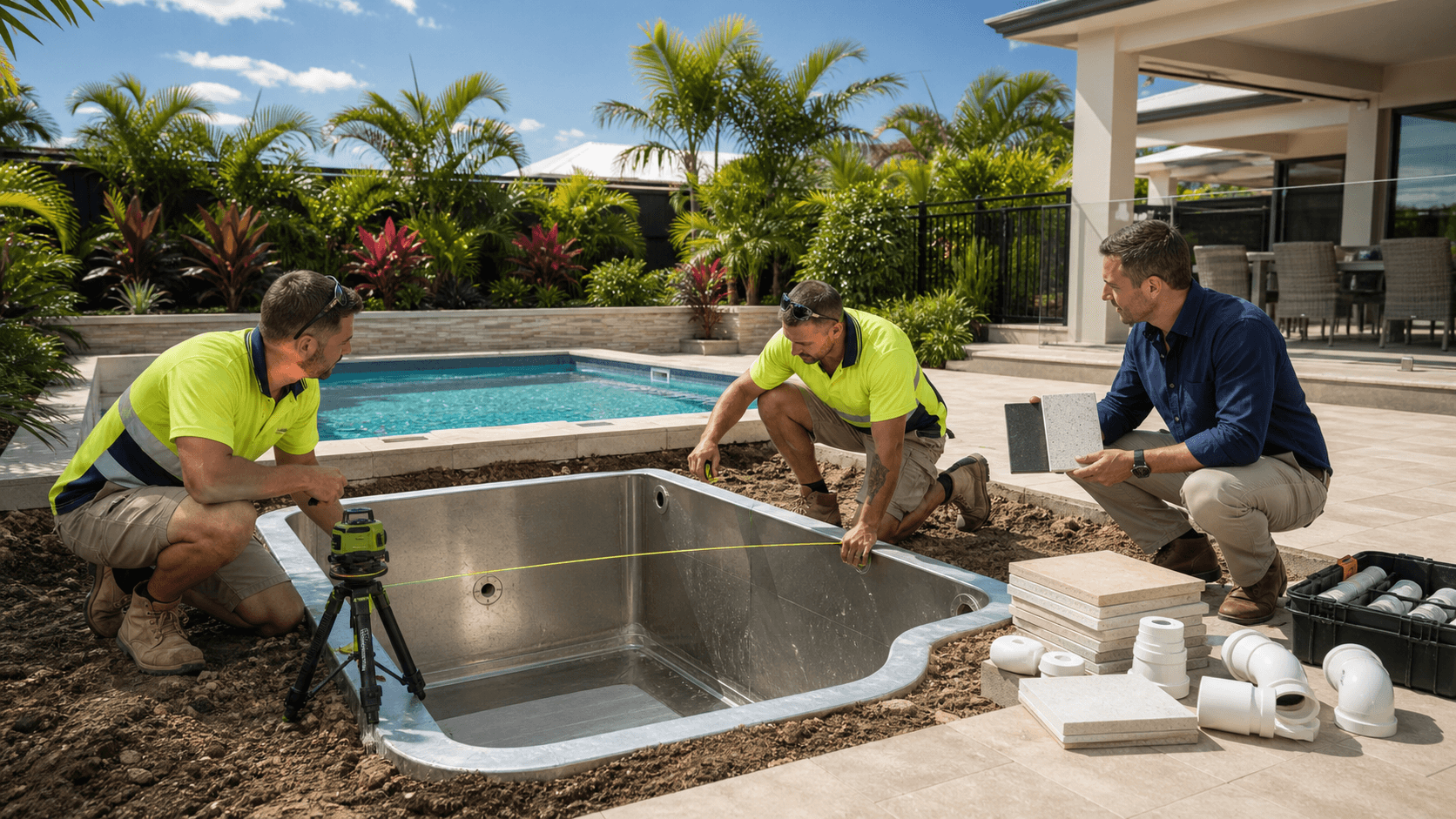
If you're building new or thinking about a surface refresh, your choice of materials matters more than most people realise. Mackay's salt-heavy air and steady sun can wear down standard finishes more quickly than pools further inland.
Some materials hold up better than others in these conditions. For example:
- Quartz finishes tend to resist staining and fading under UV light
- Pebble interiors provide a textured, durable surface that handles weather changes well
- Specialised sealants can help reduce salt damage, especially near the waterline
When it's time to install or resurface, it pays to choose finishes made with this coastal climate in mind. Even better if plans are made around the exact spot your pool will sit, thinking about how much sun exposure, wind, or runoff it might get.
Why Consistent Surface Care Pays Off Over Time
Keeping a concrete pool in shape around Mackay isn't about doing it once or twice a year. It's the steady attention that really pays off. Brushing, checking the water, and watching how the weather hits your backyard builds early awareness so small problems stay small.
Over time, those good habits help your pool hold onto both its good looks and its strength. Choosing the right materials makes that job easier, too, especially when the weather swings quickly between wet and dry.
A bit of care every week adds up to fewer repairs, better water quality, and longer-lasting surfaces. Coastal weather might be tough, but it doesn't have to take a toll if we keep ahead of it.
At Watersun Pools, we know how much Mackay's climate can affect concrete pool surfaces over time. Between the rain, sun, and sea air, wear can creep in faster than expected. Keeping a steady care routine protects your pool's finish and helps extend the life of your investment. If you're looking for ways to stay ahead of future issues, understanding how upkeep ties into your concrete pool cost in Mackay can make a real difference. Reach out to us to chat about what surface care makes sense for your location.
Frequently Asked Questions
How does Mackay’s coastal weather affect a concrete pool surface?
Heat, heavy rain, high humidity, and salty air can make concrete finishes wear faster. Temperature changes can cause expansion and contraction that may lead to cracking or flaking. Humidity and salt can also contribute to mildew, corrosion, dull colour, and rough patches.
What are the most common pool surface problems in coastal areas like Mackay?
Common issues include stains from leaves or metals, chalky white scaling, algae in low circulation areas, and salt related roughness or surface burns. These problems often start small but can worsen if water balance and cleaning routines are inconsistent.
How do I prevent stains, algae, and scaling on my concrete pool surface?
Brush the walls and floor weekly, skim debris before it sits and stains, and keep filters and pumps running well for steady circulation. Test and adjust chlorine and pH every few days, especially during summer and after storms, to reduce algae growth and scaling.
What is pool scaling, and why do I get white crust on tiles and edges?
Scaling is a mineral buildup that often appears as chalky white marks or crust, commonly on tiles, waterlines, and edges. It can happen when water chemistry is out of balance, allowing minerals to settle onto surfaces instead of staying dissolved.
What is the difference between surface stains and concrete damage in a pool?
Surface stains are usually discoloration from organic debris or metals and may not change the feel of the finish. Concrete damage affects the surface texture or structure, such as roughness, pitting, flaking, or cracking, and it is more likely to lead to costly repairs if ignored.